What can brands learn from the Ibai phenomenon?

We want naturalness, horizontal relationships and less posturing.

We are increasingly connecting with a “live” version of things, in which authenticity and real experience replace the retouched and perfect brands that no one believes anymore.

For example, the 2020 chimes where Ibai Llanos brought together half a million viewers on Twitch at its peak audience. A streaming platform that was born at the dawn of the gamer world and that owes its success to a combination of authenticity and community feeling, achieved through content without filters or scripts that gives us the possibility to interact between viewer and transmitter.

Ibai’s feat is just one example that highlights the new relationships of the younger generations with brands, prescribers and the media. A paradigm shift to which brands must pay attention and react in time so as not to lose relevance.
The design of the future: multidisciplinary or specialised?

The combination of profiles enriches projects and stimulates teams.

As the field of visual communication has expanded, the boundaries of design have also blurred, encompassing more and more disciplines and formats. This has forced us to add a surname to the profession, giving rise to editorial designers, product designers, UX designers, and an endless list of specialisations. A necessary specification that is sure to increase, but which coexists with the demands of a market that continues to demand the figure of the “all-rounder” designer.

In such a changing and demanding context, forming ad hoc teams, in which multidisciplinary designers work together with specialists, is undoubtedly the way to make a difference, not only in the response given to the client but also in the result of the work and the way in which it reaches the audience.

What can design do for the climate?

Everything is designed, from a toy to a bomb.

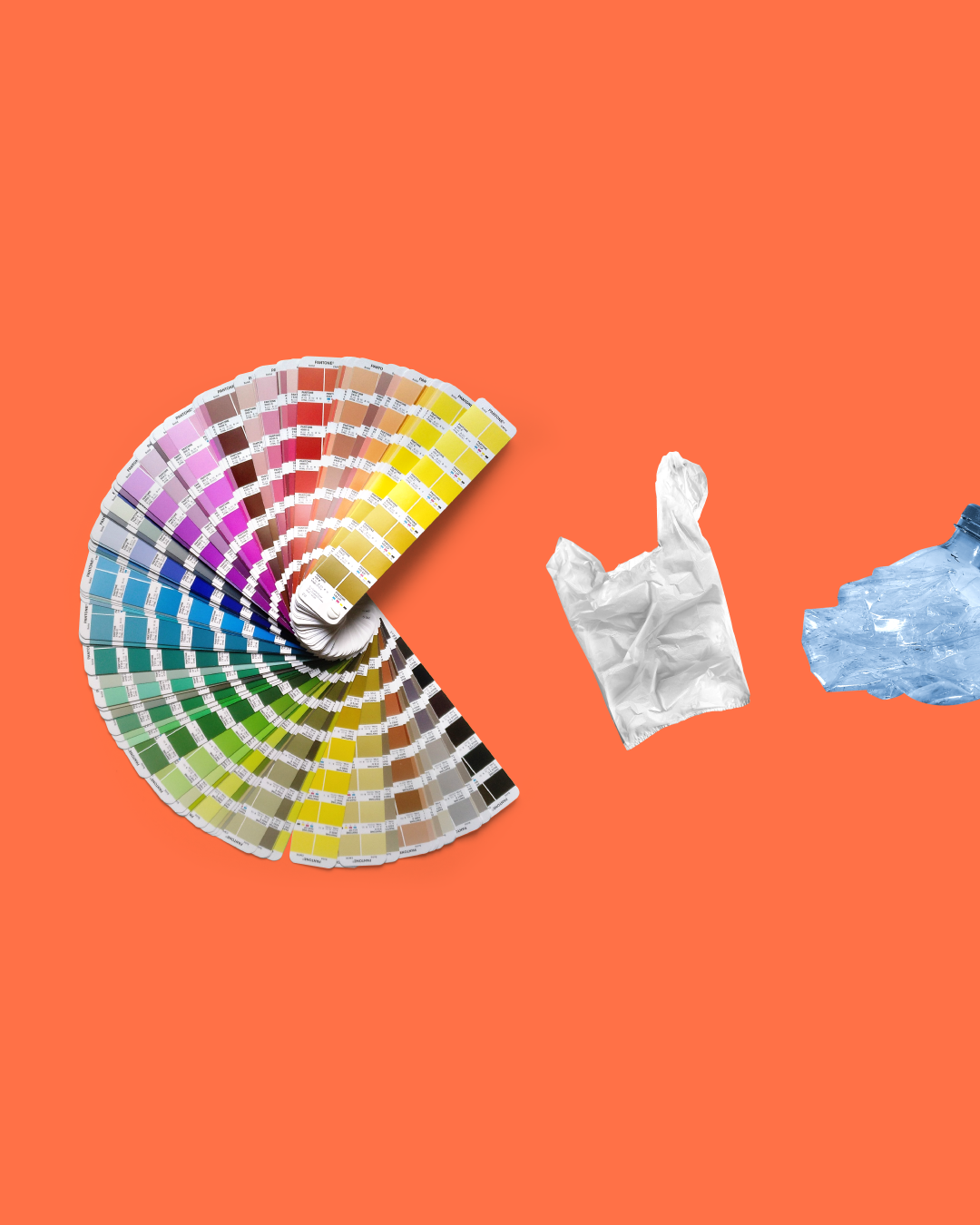
Climate change is one of the great challenges for the design sector, which holds, in its different versions, the key to a more creative, more sustainable, more aware and informed world. Although we are late, there are already brands that are making a difference. This is the case of Estrella Damm, which last year eliminated plastic from its packaging, but also of countless start-ups that are emerging with a more sustainable consumption approach (second-hand platforms, ecological menstruation, …).

Every decision during the design process is decisive, but it is perhaps in the dissemination of the problem and its solutions that the design community should focus. We have a very powerful tool to convince but above all to help people to wake up.
Shall we start now?

Has the pandemic been the last push brands needed to join the green revolution?

A pause to review priorities.

The pandemic has forced us to stop and take stock of what is really important in our lives. And brands have not escaped this phenomenon: they have also had to take a break and reflect. The fashion sector, for example, has seen its business slow down just at the moment when relevant voices in the sector questioned the need to have such a demanding rotation and so many collections in a single year. Other brands are asking us not to buy on Black Friday, or urging us to reuse, even repair, what we already have in order to extend its useful life.

There is already a collective feeling that we need to rethink the way we consume. We need to make our way of life and our values consistent with each other. Brands that make it easy for us and align with our new priorities will come out stronger.

Can we speak of “hyperrealism” as a trend that emerged during confinement?

“Hyperrealism” is here to stay.

During the confinement our sector has been forced to reinvent itself (like so many others) with very limited resources, in order to continue offering us its contents on a daily basis.

As a direct consequence, there has been a total rupture and destruction of the technical, visual and aesthetic standards to which we were accustomed until now and the irruption of a sort of domestic “hyperrealism” as the prevailing reality: we have all virtually entered everyone’s homes, seen badly lit presenters and heard children playing in the background and, far from constituting a loss in the quality of the content, this reality has brought us closer to each other and has naturalised communication.

So let’s take this “hyperrealism”, this new reality that has arisen in a forced way, as an opportunity for the creative sector and brands to exercise a closer, more natural and honest communication in a post-covid context.

Consumer habits – will the change be permanent?

It is difficult to predict with certainty.

We know that people feel insecure and worried. Optimism is in short supply. And consumers need brands to take it seriously. Spending is down in virtually every category. And local commerce is gaining strength against large corporations – an opportunity for the “little guys” who are able to leverage their size to react nimbly. On the other hand, the “virtualization” of social and commercial life, to the detriment of physical experiences, will raise ecommerce expectations to levels never seen before.

These are just a few glimpses of what will define this new era, but many questions remain open.And brands should not wait for a completely clear picture of the future to emerge before asking themselves, “Is my brand ready to meet these new expectations?”