
Eneko Rojas is the Brand and Strategy Director at Peldaño, a publishing company that successfully transformed into a B2B communication group. Working closely with him, we executed a comprehensive branding project for the company, aimed at helping them better understand their audiences and improve their ability to reach them with a tone of voice and brand personality tailored to their reality. The project also had a significant focus on brand architecture, which helped organize the entire portfolio.
Tag: Tone of voice
Why is good design important in ‘the public’?

The Administration must serve the public in both form and substance.
If design and good communication are effective and widespread tools in the business environment, why are they not also used in the public sector?
One only has to observe the controversies that arise every time something public is redesigned, with better or worse success, to realise that there are many who consider design as something merely aesthetic. An artistic and accessory element for which public money should not be spent.
In the face of this perception, we must explain that design is much more and that, when used well, it is a very powerful tool for an administration that, in addition to managing, must know how to communicate effectively both what it does and the consequences that its management has on the people.
Because good design is more than just finding a beautiful and creative piece. Good design has an impact on the target audience, increasing the effectiveness of communication. Good design modulates tone and language, facilitating understanding and connecting emotionally. Good design makes procedures intuitive and accessible to all groups regardless of their socio-cultural level. In short, good design reduces the distance between citizens and the administration.
Because, as Louise Downe, the former Design Director of the UK Government, says, the citizen is a user and not a client and, unlike the client, the citizen has no choice but to deal with government services day in and day out.
For this reason, it is essential to redesign the administration in a way that, once and for all, brings public administration closer to the street, facilitates the completion of bureaucratic procedures, encourages political participation and, above all, empowers the citizen.
Why is a spoken word worth a thousand words?
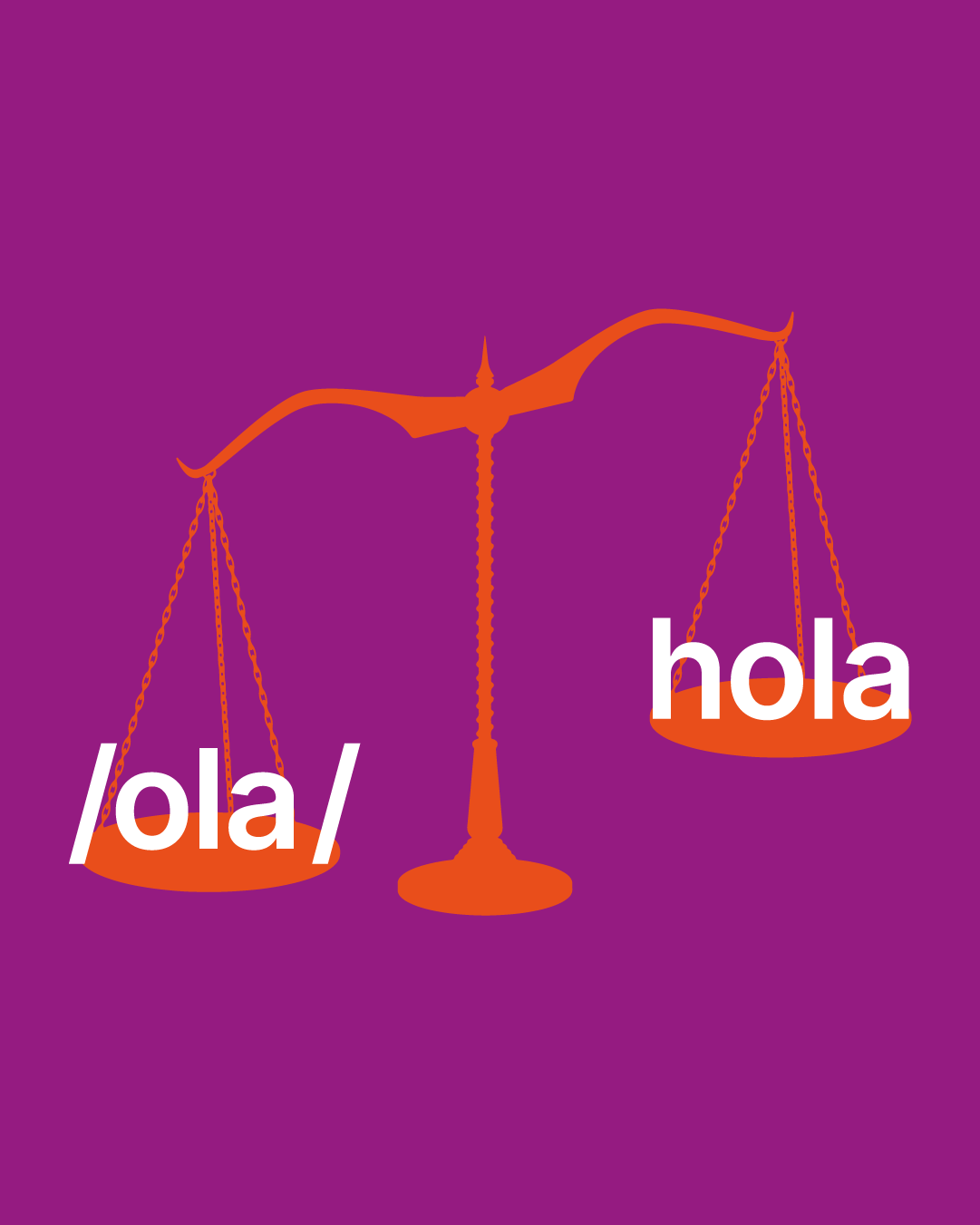
Voice brings people closer and conveys truth.
We find it in the entertainment sector with podcasts, in social networks with audio notes and tweets, and in the user experience with voice assistants such as Siri or Alexa. We are living in a sweet time for the audio format which, far from reaching its peak, continues to grow.
But what does this have to do with brands? Everything indicates that it has a lot to do with brands. Purchasing through devices and voice assistants is one of the keys to the future of e-commerce. In the meantime, services such as Amazon Polly’s Brand Voice are emerging, offering companies the opportunity to create a personalised and unique voice to interact with their users. Because in the same way that we design your visual identity, perhaps it is time to consider what the voice of your brand is like: whether it is deep or high-pitched, whether it is young or adult, whether it has an accent, whether it speaks quickly or conveys calmness.
In a context in which proximity and authenticity are rising values, the voice is a resource to be exploited, and audio UX is a field to be explored for the most experiential brands.
Can a brand be 100% sustainable?

Do first, say second
Trends and consumers are pushing brands to create sustainable business models, aiming for a zero carbon footprint.
It is more than proven that the throwaway culture cannot be sustained and brands cannot look the other way: they must take firm steps towards product innovations that make the best use of resources.
In this sense, a few days ago we saw the launch of the first refillable deodorant. A brave commitment to sustainability that moves away from small initiatives and greenwashing gestures, and sets out to restructure its business with the planet in mind.
Because building a truly sustainable brand involves absolutely every aspect of the business (materials, transport, employees, suppliers, etc.) and this implies a great economic and logistical effort, as well as a great effort in terms of communication. Because if we do not communicate the new processes transparently, consumers will not be able to assess the brand’s real commitment.
Why will this Black Friday be blacker?

A year marked by uncertainty.
Black Friday is becoming more and more ‘black’ and less and less ‘friday’. In other years, many people take the opportunity to buy Christmas presents on this day, but nowadays, nobody knows how the festivities are going to be.
The consumerist day par excellence pits brands against each other. On the one hand, there are companies that turn Black Friday into Black Week or even Black Month. On the other, we are witnessing a wave of responsible brands that either reinterpret this day from the perspective of sustainability or “boycott” it by encouraging shoppers not to consume. In addition, this year there is a growing number of campaigns encouraging us to promote local, neighbourhood consumption, at a time when small businesses are experiencing enormous difficulties.