What do the most relevant brands of the moment have in common?

They listen to the consumer and adapt based on their brand value.

This past year has been an earthquake for society as a whole, brands included. The pandemic has not only had a huge economic impact but has also shaken the relevance of brands for consumers who, from one moment to the next, re-evaluated their priorities.

The latest Prophet Brand Relevance Index makes it clear that brands that knew how to get truly involved in making the most of such a difficult time came out stronger. However, those that failed to respond to new needs were quickly replaced by consumers, who looked for other options.

The index shows that technology companies, such as Apple, experienced a sweet moment in terms of relevance, as they made it possible to connect with other people in a context in which it was not possible to relate to them physically. Moreover, in many cases, they enabled teleworking, providing users with health and job security.

Entertainment also came on many occasions through this medium. Thus, TikTok experienced the biggest boom during the confinement by entertaining the younger audience who, beyond being spectators, actively created and shared content on the platform. Little pills of joy that gave us a break, and that were key to our emotional wellbeing.

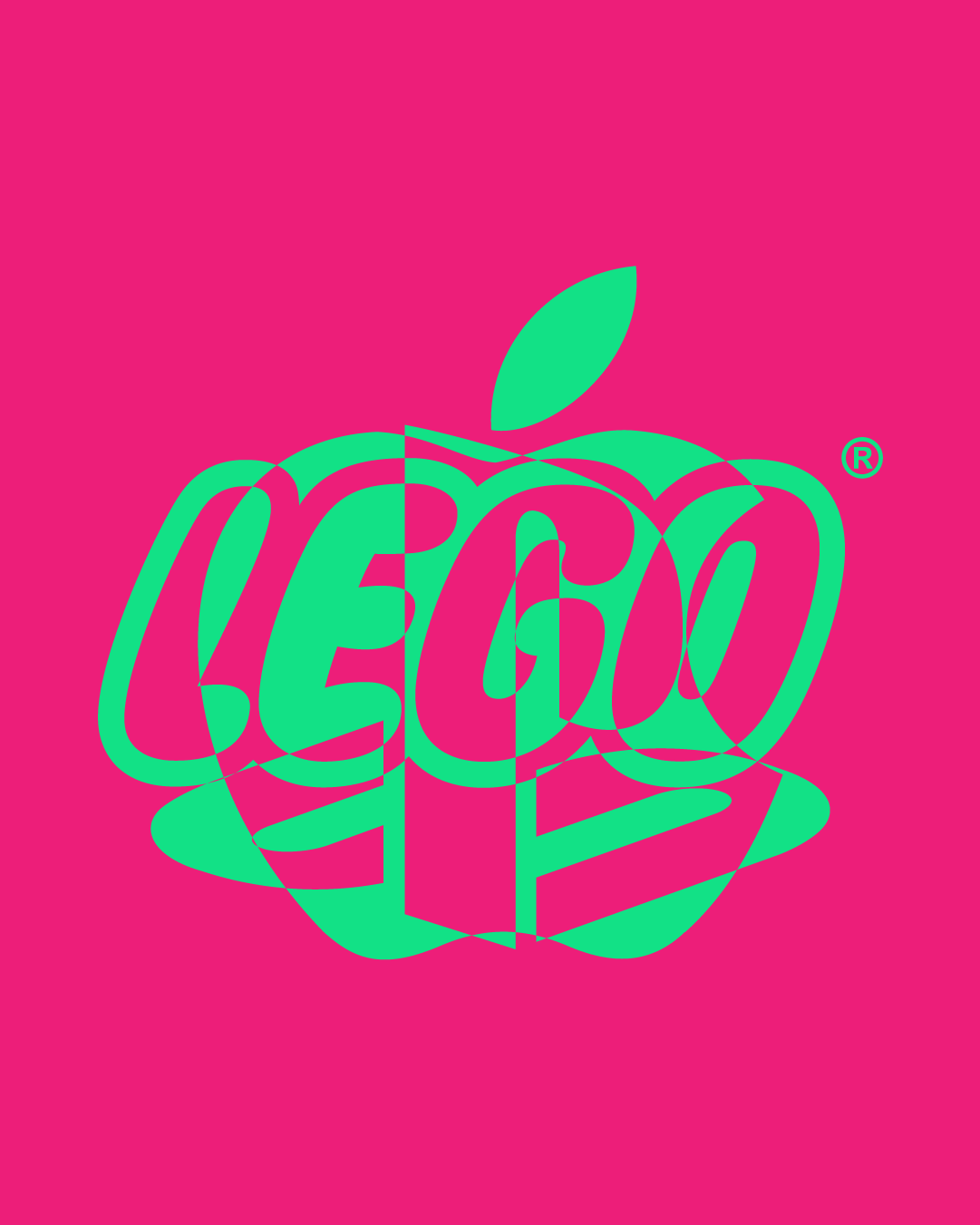
But we not only entertained ourselves on social networks or watching Netflix; we also spent more time playing with family and friends (Lego, Playstation) and recovered hobbies such as cooking, which in addition to killing off the flour in some supermarkets led to the rise of brands such as Amazon or KitchenAid in the US.

During this time, we have also become more aware of the importance of health and physical exercise, very limited by restrictions. Here, brands that were already betting on the digital experience stand out, such as Sanitas with blua, its digital insurance. It is also the case of Peloton which, when gyms closed, kept its users active and connected with each other; gaining in relevance but also in business (it practically doubled the sales of its bicycles and treadmills).

You don’t have to be a commodity to achieve relevance in difficult times, but rather understand the consumer through active listening, adjusting the brand experience to offer them an enriching experience that responds to their new needs.


The brand experience, more digital than ever in the wake of the pandemic

The challenge of bringing our DNA in the physical world to digital interaction.

The pandemic has forced brands to redefine the journeys their users make, and to learn to detect the key moments that occur in the digital environment. A crisis that has exposed the importance of each brand knowing its consumers and being able to anticipate what they are looking for.

We are at a time when digital events, actions and interactions are stronger than ever. And, whether physical or digital, we must continue to be equally demanding with these experiences so that the essence of the brand is not lost and so that they continue to be recognisable, unique and immersive. Because we must not forget that digital does not have to be impersonal.

What can brands do to bring that missing humanity and contact?

Anticipate and create real value.

We always talk about brands being and behaving like people. At a crucial time like the one we are living in, in which consumers demand more human interaction and brands that are at their side, details such as asking how you are, what you need, how that product is doing, or simply being accessible, make all the difference. This is where the real interest is shown, the one that goes beyond the commercial benefit.

Companies have their finger on the pulse of society before institutions do, allowing them to anticipate and create real value for their consumers. Like the insurance company that has created a digital consultation service that saves you from having to travel to your health centre. A good example of how to make this ‘human’ attribute tangible in a clear action plan from which the user benefits at every point of contact.

Brands must adapt to the “new normal”, but is everything OK?

Everything is changing.

We have seen an avalanche of brands redefining their offering in a matter of days. Transforming their processes to stay relevant (and profitable). Expanding sales and service channels overnight. Moving from physical to digital in an express way. Reinventing the way you communicate your what, your how and your why. OK. But why do it in a mimetic way, why let ourselves be carried away by inertia and “me too”?

The new normality opens up a scenario of opportunities, of new models, new forms of expression… where the creativity with which we approach them will make the difference. A credibility that in no case should mean losing the focus of what we are as a brand.

How do you maintain trust in your brand after a major crisis?

People first.

Brands, whether they like it or not, represent values, values inferred through their behaviour. They play a fundamental role in society, especially during and after crises such as the one we are experiencing. This is demonstrated by the data that Edelman published on trust in brands in times of COVID-19.

Brands need to get involved. Protect the well-being and safety of their employees. Be a safety net to fill the gaps in government response. Change even business as usual to help meet today’s challenges. Put people before profits.

Is it asking too much of brands? No. Because brands, today, are built to make a mark.

What are brands facing post-pandemic?

This is serious.

It’s not about separating the elements of your logo as an invitation to social distancing.

It’s about doing and helping to do.

It’s about creating community and facilitating connections. It’s about providing information. A lot of information. And a lot of listening.

It’s about having unprecedented adaptability. It’s about presenting yourself as part of the solution in the areas surrounding your brand. That will be the key to success. It is more than ever about defining your purpose in this new scenario.

And to fulfill it.

Can we speak of “hyperrealism” as a trend that emerged during confinement?

“Hyperrealism” is here to stay.

During the confinement our sector has been forced to reinvent itself (like so many others) with very limited resources, in order to continue offering us its contents on a daily basis.

As a direct consequence, there has been a total rupture and destruction of the technical, visual and aesthetic standards to which we were accustomed until now and the irruption of a sort of domestic “hyperrealism” as the prevailing reality: we have all virtually entered everyone’s homes, seen badly lit presenters and heard children playing in the background and, far from constituting a loss in the quality of the content, this reality has brought us closer to each other and has naturalised communication.

So let’s take this “hyperrealism”, this new reality that has arisen in a forced way, as an opportunity for the creative sector and brands to exercise a closer, more natural and honest communication in a post-covid context.

Consumer habits – will the change be permanent?

It is difficult to predict with certainty.

We know that people feel insecure and worried. Optimism is in short supply. And consumers need brands to take it seriously. Spending is down in virtually every category. And local commerce is gaining strength against large corporations – an opportunity for the “little guys” who are able to leverage their size to react nimbly. On the other hand, the “virtualization” of social and commercial life, to the detriment of physical experiences, will raise ecommerce expectations to levels never seen before.

These are just a few glimpses of what will define this new era, but many questions remain open.And brands should not wait for a completely clear picture of the future to emerge before asking themselves, “Is my brand ready to meet these new expectations?”