If AI can create everything, what’s left?

Branding proves that the future is human.

Calling Artificial Intelligence one of the great revolutions of the century won’t surprise anyone. Its impact—past, present, and future—is undeniable. The creative and consulting industries seem seriously threatened. At least, at first glance.

AI can, among other things, automate creative processes: write texts, generate images, compose music, and even design strategies. This ability has led many outsiders to believe that a single prompt is enough to have an agency in their pocket. At Knom, we’re here to refute that idea.

As obvious as it may sound, a tool is not the same as a discipline. A tool executes, automates, accelerates, and facilitates. A discipline like branding connects values, culture, emotions, and narratives with the business of companies and the people they engage with. Just as owning brushes doesn’t make one a painter, having access to AI doesn’t make one a brand strategist.

Branding deals with identity, culture, purpose, collective imagination, values, and expectations—concepts that demand deeply human interpretation. One where reason alone isn’t enough, because emotion, symbolism, and intuition come into play. It’s precisely in that space—the subjective—where the true value of humanity lies, and where AI cannot reach.

How many brands have failed because they misread the social context? It’s impossible to connect with users without feeling. And that might be the key: feeling the same reality as our clients’ audiences—knowing firsthand the frustration of a call center, the pleasure of drinking your favorite coffee, or the attachment to an app that has become essential.
After all, can any AI truly understand what it feels like to drive a high-end car? BMW just lost its slogan.

AI will undoubtedly impact the industry, but at Knom we choose to focus on the opportunity it brings. From process acceleration and testing to moodboards and inspiration searches, AI speeds things up—but still needs human direction. It’s a tool, not a substitute. The winners of this race will be those who know how to harness it without falling for its siren song of shortcuts that save time but drain meaning and feeling.

AI amplifies the capabilities of those who already have expertise; it doesn’t create new ones out of ignorance. We’re already beginning to see the diminishing returns that follow every revolutionary innovation—and one of AI’s boundaries lies precisely here.

In a world where brands are becoming increasingly homogenized, branding gains critical importance—as both a compass and a differentiator. In a landscape flooded with infinite AI-generated outputs, the brands made by people will be the ones that stand out.

We’re facing a unique moment—one where being human becomes the ultimate differentiator and the reason worth celebrating together.

Verbal engineering to connect with your audience

Today we’re here to talk about one of the most powerful (and yet most underrated) tools in branding: tone of voice.

Tone of voice is a fundamental tool that helps us shape and express our brand’s personality. But it’s also a highly strategic part of branding that, if done well, can achieve the following:

  • Greater brand recognition: a consistent tone is more memorable and helps people identify your brand even without seeing your logo.
  • People connecting with your brand: speaking in your audience’s language helps you empathize and humanize your brand.
  • Truly standing out: when everyone communicates in the same way, how you speak is what sets you apart from the rest.
  • Your strategy to be grounded: tone of voice activates your brand, turning the abstract concepts of your brand platform into tangible messages.

How do you create a good tone of voice?

As with people, the starting point for achieving a consistent tone of voice is to be clear about our personality. From there, we will follow three steps:

  1. Analyze the market
    Before defining our tone, we need to see how others speak. Therefore, we will begin by studying our competitors’ discourse to identify gaps and opportunities.
  2. Define the verbal label
    Once we have identified our competitors and defined our brand personality, we will create the verbal label. In other words, the golden rule that any brand message we launch must comply with.
  3. Develop a series of linguistic resources
    Now, at this point, our tone becomes tangible. We will define three types of resources: differential or impact resources, style resources, and key concepts. (We will explore these in more detail below.)

The tone of voice from a real case study: KeepCoding

KeepCoding is a high-performance training center for programming and technology with a unique humanistic approach. When it came to us in 2024, KeepCoding needed to evolve its brand in a way that would allow it to expand its training portfolio and also consolidate its positioning, strengths, and unique value proposition in terms of communication.

Our strategic analysis led us to the concept of “Human-powered Future”, where the school’s humanistic methodology became a central asset of the brand.

In addition to this strategic territory, we defined four main personality attributes and articulated the brand around two archetypes from Carl Jung’s wheel: the hero and the creator. This combination allowed us to emphasize values such as the hero’s determination, high standards, and commitment, but also the creator’s innovation, nonconformity, genuine character, and vision.

With the personality defined, we moved on to the tone of voice. The first step, as you know, was to come up with our verbal tagline: “Creating the future.” So, after writing any content for KeepCoding, we must ask ourselves if that message contributes to creating the future.

The combination of our personality and verbal tagline results in a motivating tone of voice that inspires and empowers. It speaks from reason, but convinces through emotion, desire, and motivation, opening our eyes to a new perspective on the future.

To ensure that this tone of voice was consistent and memorable, we developed the following types of linguistic resources:

Impactful resources: these are unique structures or formulas that generate immediate recognition. Given that one of the objectives of the brand strategy was to broaden the meaning of the ‘coding’ in our naming, we built a message structure that worked in this direction:

  • Learn skills that make us more efficient. KeepEvolving
  • Analyze feedback to keep improving. KeepImproving
  • Develop an app that helps reduce energy consumption. KeepInspiring

Style resources: these are guidelines that guide how we express ourselves (vocabulary, type of verbs, use of grammatical persons, linguistic licenses, etc.). The world of technology, marketing, and training is an Anglo-Saxon world. That’s why, for KeepCoding, we decided that messages could mix languages without fear.

Key concepts: these are ideas that we will introduce into our discourse so that, through repetition, the market will associate our brand with them. For example, humanity was an essential concept of the KeepCoding brand.

As you can see, tone of voice is a key tool for activating a brand’s personality. It is what turns a brand into a conversation, a discourse into an attitude, and an audience into a community.

If you feel that your brand speaks… but does not resonate, perhaps it is time to apply a little verbal engineering.

Have we woken up from the American dream?

When Country Matters More Than Product: A New Burden for American Brands

This turbulent geopolitical context we are currently experiencing is not foreign to the world of branding. Just as individuals have “personal branding,” countries have what’s known as “nation branding.” Nation branding is essentially the intangible value of a country’s reputation and image — and it’s truly important. A country’s brand can affect things like foreign investment, tourism, or even the image of brands from that country, which may suffer through association.

Of course, a country’s brand is shaped by many factors, but undoubtedly one of the most significant is its current government. That’s why today we’re going to talk about how the United States’ brand has changed since Donald Trump arrived at the White House.

As you can imagine, the change has been radical. Since the Cold War era, back in 1947, the U.S. positioned itself as a leader and defender of the West, championing values like freedom, progress, modernity, and development — in contrast with other regions such as war-torn Europe, or authoritarian examples like China and Russia, where individual freedoms are restricted.

This image, accompanied by an expansive foreign policy, led to numerous agreements with regions like Europe, Japan, Morocco… heavily influencing the social imagination and ideals of many of these countries. Having ties with the United States was seen as something positive, and the pro-American narrative enjoyed widespread support from the general population thanks to the strong country brand that had been built.

Many major companies benefited from this situation, which helped drive their international expansion. Brands like Coca-Cola and McDonald’s entered new countries at lightning speed, thanks to the groundwork laid by their home country. More recently, Silicon Valley has come to embody global values of entrepreneurship.

But has all that come to an end?

With the arrival of “America First,” a new tone, threats, and trade wars that came with this new approach, more and more people around the world are beginning to see the U.S. as a threat — and that carefully crafted image is crumbling in our minds.

This is not a superficial change. We’re witnessing a deep transformation that strikes at the very core of the ideals, values, and narrative of the America we once saw as an ally.

Just as the country’s image once helped American businesses thrive, this new phase is now weighing them down. Brands like Tesla, once icons of modernity and future-thinking, now, through their CEO, project reactionary and ethically questionable ideas. How is it possible that Elon Musk hasn’t considered the impact his personal image has on his companies?

But Tesla isn’t the only one. Even brands without such an aggressive positioning — like Coca-Cola — are suffering consumer boycotts in countries like Denmark, all due to the U.S.’s new stance on the global stage.

In contrast, on the other side of the Pacific, Chinese brands have been evolving their image and meaning for years. Companies like Xiaomi, Huawei, Aliexpress, Shein, or Temu are undergoing unprecedented international expansion, partly thanks to Xi Jinping’s efforts to build ties with countries around the world.

China’s model, based on capital investment and trade agreements, has helped solidify its global positioning, and the perception of its brands has changed over time. Gone are the days when “Made in China” was a sign of poor quality.

Few things have united such a diverse range of people under one banner as the rejection of the oppression and dominance radiating from the new, MAGA-style United States. A rejection that has spilled over to American brands which, without intending to, are seeing their international business threatened.

When this values-based and commercial war ends, the damage to brands will only just be beginning. The shift in how global consumers perceive the American brand is already underway, and reversing it will be no easy task.

The big question is: Can the nation brand recover? What will be left once the storm ends?

Knom &. A few minutes with Eneko Rojas


Eneko Rojas is the Brand and Strategy Director at Peldaño, a publishing company that successfully transformed into a B2B communication group. Working closely with him, we executed a comprehensive branding project for the company, aimed at helping them better understand their audiences and improve their ability to reach them with a tone of voice and brand personality tailored to their reality. The project also had a significant focus on brand architecture, which helped organize the entire portfolio.

The Era of Creative Mediocrity

The culture of repetition is consolidating, threatening what is different

Experts say that humans are attracted to repetition because it makes us feel safe and unthreatened. This might have worked when we were hunter-gatherers, and a new animal threatened our survival, but what sets us apart as sapiens from other species is the creation of stories and imaginaries—that is, creativity.

For some time now, we’ve been witnessing signs of a deep crisis in creativity, and today we’ll look at some relevant examples that shed light on this widespread issue.

To start somewhere, let’s begin in our own sector. Branding has been undergoing a brutal homogenization with the rise of “blanding,” making all brands look the same. If we combine this with “green corp” and “purpose-driven brands,” we have brands that not only look the same but are mimetic in their narratives and communications. Brands that once again settle into the realm of the ordinary, with no different or creative bets to activate their purpose, making it just another disposable concept in the mainstream corporate culture.

But it doesn’t stop here; the entertainment industry has undergone a similar process. Music relies on the use of formulas and very similar sounds focused on popularizing songs in search of immediate impact.

At the same time that this is happening to music, we are helplessly witnessing the recycling of ideas in sequels and prequels to well-known films, remakes, reboots, or relaunches of pre-existing products—all safe bets based on past successes.

Perhaps the most striking example we can talk about is the homogenization of current pop culture. Due to the mass consumption of social media and the dictatorship of algorithms, the content that people consume has been standardized, leaving new proposals outside the spectrum because they don’t fit what “is trending.”

This affects brands on many levels, both in business and in communication and promotion. Many campaigns and advertising elements are copied from what has worked for another competitor, making the perceived differentiation between brands increasingly smaller.

It is likely that this is driven by a growing aversion to risk, motivated by the increasing corporatization of companies and decision-makers. When something is already popular, it’s easier to hop on the bandwagon than try something new and succeed with it, especially because the risks taken are not always clear and measurable.

The distancing of companies from risk has left the field of innovation to those who “have nothing to lose.” Thus, interesting proposals arise along lateral paths, outside the more mainstream or corporate realm.

Scalability and subscription models are the main drivers of this trend, as they motivate brands to bet on what is already popular, leveraging algorithms and artificial intelligence rather than creativity.

How much longer will this crisis last? Will the day come when society demands true innovation and rewards risk-taking again?

Knom &. A few minutes with Macarena López-Cordón

Macarena López-Cordón is the CEO of the “Entre Mujeres Association” and “Soulem”, a social initiative dedicated to supporting women who have survived violence in all its forms. Together, we developed a brand identity project to provide the organization with a visual identity that aligns with its mission, helping it reach a wider audience more effectively.

Knom &. A few minutes with Blanca Marín

Blanca Marín Riaño, Marketing and Communication Director at Universidad Villanueva, was responsible, alongside Knom, of the creation of the University’s new brand. A project of great strategic impact, which positioned the University on the top level of the educational field. Territory, personality, strategic platform, tone of voice, their own methodology and visual identity were some of the key points on which we worked for the University and its brand ecosystem.

What does 2025 hold for brands?

We take a look into the crystal ball to see what’s coming in 2025

We leave 2024 behind, stepping into a 2025 filled with uncertainties. As every year, at Knom, we take a glimpse into the future to try and predict what’s ahead.

This year, we expect to see brands taking definitive stances on controversial topics due to consumer demands. Consumers, in turn, are increasingly skeptical of everything around them, driven by the rise of fake news and the loss of trust in influencers, who are now more than ever perceived as artificial products.

Focusing solely on brand purpose will lose strength as a differentiating factor, favouring solid, actionable positioning and value propositions that are well communicated. Promises are good, but consumers need the brands they choose to create real impact in their lives and to better address their concerns.

Brands will play a key role for many people who feel disconnected from reality, trapped in technology-driven routines that overwhelm them. In this context, privacy and the responsible use of personal data will become increasingly important to users and regulators alike.

We will continue to witness the creation of mass movements in pop culture, as demonstrated by figures like Karol G and Taylor Swift, alongside a growing nostalgia for eras people have not experienced. Brands that can navigate these movements and join them organically will be the ones to maintain relevance in the unstable and turbulent environment this year brings.

AI will further integrate into people’s daily lives, highlighting the value of genuine content in communications. Brands that connect personally and with a distinctive touch will be prioritized. In a world of artificial images and text, authenticity wins.

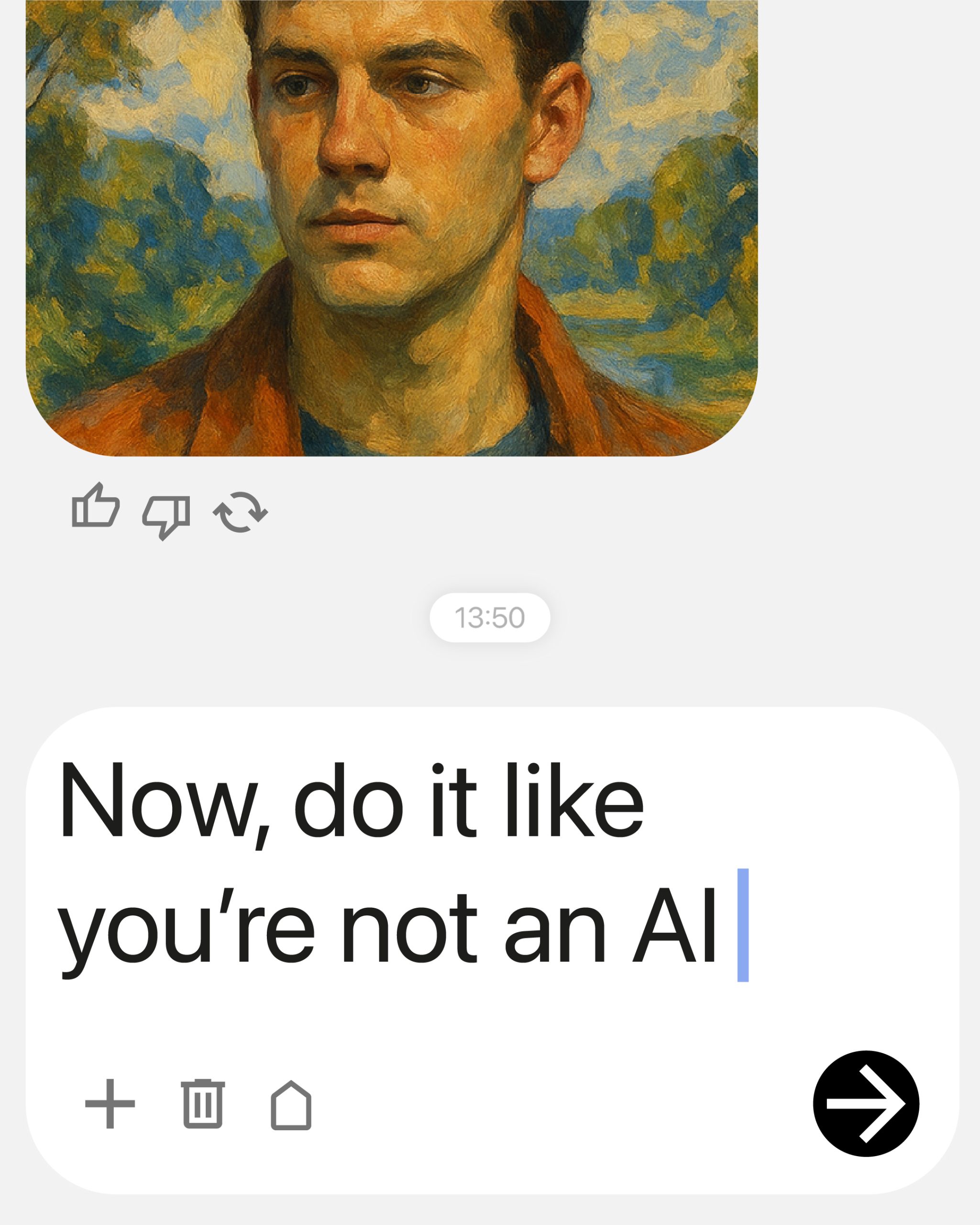
We promise this text was written by the Knom team and not an AI—hopefully, we’ve added some value to your start of 2025!

Jaguar, go big or go home

Site Icon

A bold move to capture new audiences

Our sector has been revolutionized due to the rebranding that the brand presented in November, which represents a total break with its previous identity. In today’s minute to think about (excuse us as this one will be over a minute long…) we will see the different implications it has and how they have reached this point.

In the last 5 years Jaguar has plummeted from selling 180,000 cars a year to just 67,000, all with global brand recognition and relevance at historic lows. Orphaned of a positioning that would connect with new audiences, they found themselves wandering in the limbo of luxury brands (Aston Martin, Porsche and Maserati) and premium brands (BMW and Mercedes).

This no man’s land was doing a lot of damage to a centenary brand like Jaguar, whose last attempt to position itself was nine years ago with the campaign “Too good to be bad” where they connected without much success the idea of “villainy”, British actors and Jaguar, under the umbrella of geographical origin. This campaign concept did not help either in the creation of new meanings, which should have been based on a solid brand strategy with a medium-term vocation and not on a one-off advertising campaign.

The rebranding launched a few weeks ago has generated a generalized negative response based on two main points. The first is the rejection of the total loss of the brand’s heritage and the radical break with an image and equity built up over the years, as well as the near-abandonment of the iconic jaguar that gives the brand its name. Here, we ask ourselves: was such a break necessary to rebuild its positioning? Rather than a brand evolution, doesn’t this seem like a newly created project using the same name?

From Jaguar they defend the concept of “copy nothing” change, based on the founder’s words, and materialized through what they call “exuberant modernism” as the way to build a new great meaning for the brand, arguing that “Jaguar was always at its best when it defied conventions”. However, does this exuberant modernism truly defy convention or rather add to a trend? Is there a real profound change at the company that links it back to that pure, bold, unbiased creativity or does it create a limiting imaginary that pushes it further away?

We hope this is not a cosmetic approach to a good idea. For the answer to these questions we will have to wait for the successive designs of their cars (although the ones that have been launched for the first time are not very surprising), and then we will see the truth of the brand.

The other point that is criticized is that they have forgotten their current audience, the people who have been consuming the brand and do not feel identified with its new image. Being such a radical change, it is difficult for many customers to remain loyal, feeling that it is something completely different and that it has lost its essence.

But it is not all criticism. Within the sector there have also been voices in favor of this evolution, with arguments that revolve precisely around sales data. They argue that traditional consumers were no longer buying Jaguar cars, so they see the change to “the new rich” as a good thing. Although they do not omit that this is a risky move, they consider that the brand has achieved something that Jaguar had not experienced for years: to be talked about.

This change in positioning sets them against an industry increasingly focused on the technical aspects of vehicles to propose a strategy based on values and brand purpose, trying to create a community guided by very specific ideals around them.

The fact that all their cars are going to be 100% electric is the only point in the proposal where they are aligned with the rest of the sector, this being a bet in itself due to the possible problems there may be regarding the supply of batteries and micro-drivers coming from Asia.

Time will tell if this move has been the right one or just the last nail in the coffin of what has been one of the main English automotive brands.

Knom &. A few minutes with Pablo Guinot

Pablo Guinot is CEO of REMO Mobility, the startup of charging points for sustainable vehicles born in 2019 with the aim of positioning itself as the future of mobility. A project for which we worked for since its beginnings, which allowed us to define together such crucial aspects as vision, brand values or main target audiences.