Blog

What’s in store for brands in 2022?

What’s in store for brands in 2022?

Last year began with uncertainty, continued with the hope of the vaccine and ended with the feeling that things had not changed as much as we thought they would. What awaits us in 2022? Will we return to pre-pandemic normality or will there definitely be a before and after? And what will be the role of brands?

To answer these questions, we leave you with a compilation of 11 of the trends that have been most widely reported in articles and reports by the main branding media and consultants, whom we would like to thank for their constant exploration of future scenarios.

Branding as a driver of B2B

More and more B2B companies understand that having a well-built brand has a direct impact on their business figures. Improving competitiveness, increasing brand value, generating pride of belonging among employees… The potential of branding is beginning to be seen beyond the end consumer.

Reality over the aspirational

Because at a time when it is difficult to know what is true, the rational, if it is authentic, also connects. We live in times when even virtual influencers have acne and need braces. As an article in The Guardian stated, “now, being too aspirational is repellent”.

The metaverse is coming

But it is not here yet. It plans to become a space where the physical and the digital blend together in an immersive experience that allows us to experience things we would not otherwise be able to experience. And while there will be brands that begin to explore its possibilities, most will wait for it to take shape before assessing whether it is relevant to their brand.

The true customer-centric

As we recently saw in our 1′ for thinking, it is no longer enough to use inclusive language to be a company that is committed to diversity. Brands will have to move from talk to action if they want to be credible to consumers and investors. Internalize brand values and put the consumer at the center of their strategy, designing products and services that come directly from their purpose.

Gaming, the road to El Dorado

Indoor entertainment continues to evolve and become more sophisticated as platforms linked to streaming, on-demand video and gaming continue to proliferate. More and more brands are betting on being more and better in a channel where young audiences spend a lot of time.

More ties and more community

One third of adults report feeling lonely in 2021, reaching half of the population in some regions. We live in a time of digital hyperconnection but we still need physical sensations. In this sense, brands will continue to promote actions that reinforce interpersonal connection and are more mindful of our mental health.

New brands for new models

The rise of environmental awareness and individual responsibility has brought new consumption models that are here to stay. Producers have strengthened direct-to-consumer sales, which requires them to take more care of their brand. Thus, we will see the small brands that have been able to consolidate this trend become more professional.

Long-term relationships

After two years of uncertainty, commitment, the knowledge that there are things that remain no matter what, has been revalued. This also applies to brands. In this context, brands that encourage us to repair and reuse their products will continue to appear. Brands that give us a solution to this continuous up and down of size, that bet on sustained relationships over time.

Optimistic brands and constant celebration

Humor and joy are back in the spotlight. We will see more positive content and brands that bet on playfulness, creativity and, above all, on an attitude of celebrating everything to connect and offer moments of happiness to their community. Brands that don’t tell you what to do or how to do it, but directly help you to enjoy more.

Collaboration and co-creation

The new generation of consumers is not passive at all. On the contrary, they want to participate in the creative process, to be part of the brand from the inside. A trend that we are already seeing in the new digital platforms and that consumer brands will have to adopt in order to satisfy the desire for self-expression of the youngest consumers.

From city-branding to neighborhood-branding

There is a growing need for differentiation within cities. Whether to attract new visitors, to announce the urban regeneration of an area, to generate local pride or to strengthen community ties. Neighborhood branding is coming.

2022 plans to be the year to reach new audiences. Priorities and consumer habits have been reshaped, and that opens up a huge opportunity. Consumers are more open than ever to try new products and services, to discover brands that fit their new lifestyle.

Sources consulted:

  • Trend-Watching 22 Consumer trend opportunities for 2022
  • Google Search Insights
  • Fjord Trends 2022
  • Branzai 22 tendencias para 2022
  • Evercom ‘Top Trends Comunicación y Marketing 2022’
  • Pinterest Predicts 2022
  • WFA: Predicciones para la industria del marketing y la publicidad en 2022
  • Wunderman Thompson – The future 100 trends and change to watch in 2022

Is the metaverse an opportunity for your brand?

On the border between the real and the virtual, the place to connect with the younger audience.

Although the term ‘metaverse’ was first used in 1991 by Neal Stephenson in his novel Snow Crash, it wasn’t until recently that the concept really began to take shape.

But why now? In a context of pandemic, where the physical world has been synonymous with restrictions and obstacles to socializing, virtual worlds have been an escape for an entire generation. Gaming platforms like Roblox or Fortnite have allowed millions of young people to continue connecting and sharing moments with their friends.

Virtual concerts, NFTs, immersive experiences… A new universe that takes different forms and where brands are already entering. Each one with its own personality and attributes, marking its own strategy to reach this new generation of users in a unique, creative and social way.

Nike is betting on immersive experiences such as the one that turns its point of sale into a national park, while Louis Vuitton proposes a virtual world through which to explore the history of the brand and buy new collections in the form of NFT.

The Internet has long ceased to be a showcase of the physical world. If brands want to be relevant in the metaverse, they must leave behind the idea of decorating the stage with ads that imitate real life and be aware of the potential for their users to interact with the brand in an active way, co-creating products and incorporating them into their virtual adventures.

Although the metaverse is still in its infancy, a developing medium, no one doubts its potential. Specifically for brands, the metaverse is the opportunity to empower users and make them live experiences that transcend reality, experiences that would be impossible to offer in the physical world.

Is there a loophole for brands on Black Friday?

In the face of compulsive consumption, awareness and education.

This latest edition of Black Friday has also been marked by the pandemic. Although not all, there are many consumers who, faced with delayed shipments and the feared shortage of items, have put aside their environmental conscience and run for discounts that would make the bill a little lighter on Epiphany.

For this very reason, it is difficult for some brands not to jump on the bandwagon of this day of sales and promotions that year after year breaks sales figures and kicks off the Christmas campaign.

However, it is precisely on days like Black Friday when brands must be brave and take the opportunity to reaffirm their values and position themselves firmly in the minds of their consumers.

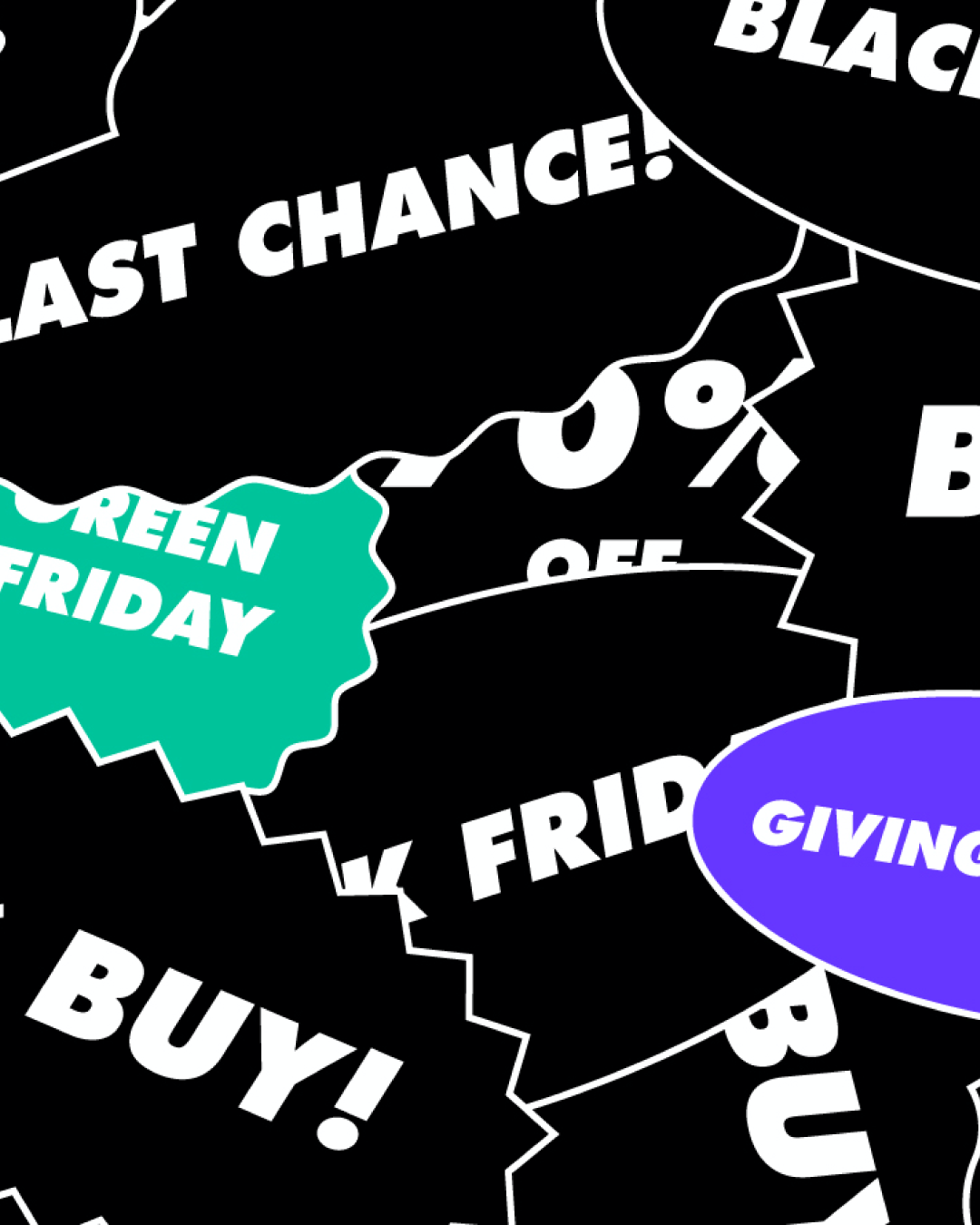
In fact, more and more initiatives are emerging in this regard under names such as ‘Green Friday’, which promotes the circular economy from the second-hand market; the ‘Buy Nothing Day’, which calls to stop consuming for 24 hours; or ‘Giving Tuesday’, which promotes solidarity and generosity only one day after ‘Cyber Monday’.

But, beyond creating ‘anti Black Friday’ alternatives, this movement tries to advocate for a conscious consumption, where the driver is not ‘the bargain’ or the ‘limited time’ but the conviction that this is the product or brand that best fits the needs of each customer.

A more restrained and fairer consumption where aspects such as local, small commerce and workers’ conditions, among others, come into play against excess.

Why should all brands be inclusive?

Inclusive design removes barriers and truly puts the consumer at the center of its strategy.

Brands are experiencing an evolution in terms of diversity, inclusion and feminism, finally taking a step forward and betting on giving space to groups that were previously underrepresented.

We see how diversity is more present in the communication of brands but also in the design of their products. Ideas that seemed to be niche markets are opening the way to address needs that, although they have always been there, previously escaped either because they were taboo subjects or because they did not fit in with the canons of beauty and the normative bodies of the moment.

A new perspective that, for example, with respect to diversity of origin, translates into product innovations ranging from swim caps for African-American hair to makeup specially designed for South Asian skin tones.

In the same vein, we are witnessing the rise of neutral and non-binary products that are gradually blurring the gender barrier. This phenomenon is affecting not only the fashion industry but also other industries such as cosmetics, traditionally restricted to women.

At a time when the trend is towards authenticity, consumers expect brands that support them as they are.

Can a brand do without its logo?

Today it is the visual, verbal and experiential narrative that defines brand identity.

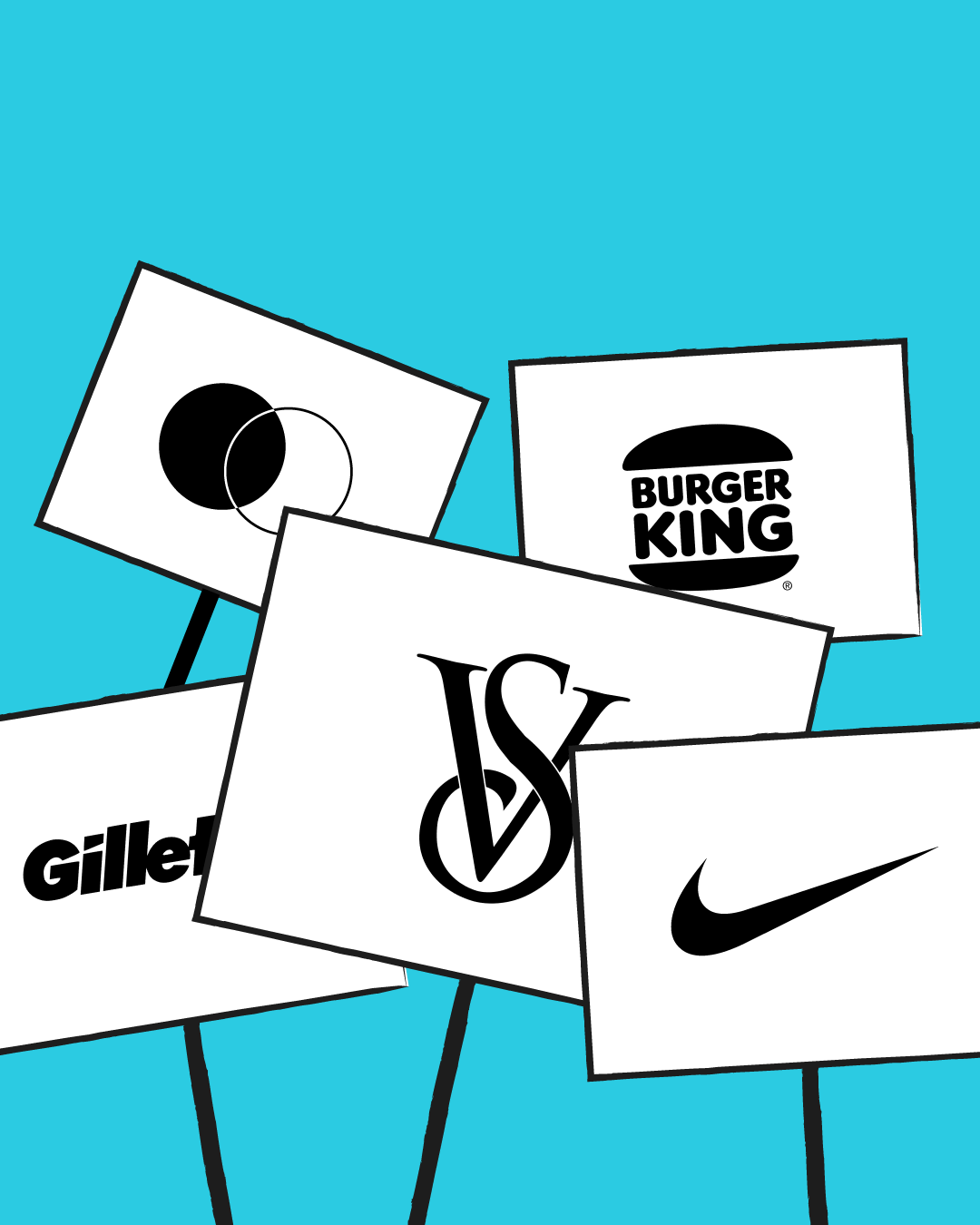
Apple, McDonalds or Starbucks can do without their logo, even their name, in a graphic piece without losing brand recognition. However, for a new brand, both the naming and the logo are key for the consumer to identify it. As almost always, it all depends on the reality of each brand.

The evolution of Mastercard’s image is an example of this. In its latest rebranding, the brand decided to take its visual identity to the minimum expression, with a logo reduced to two intertwined circles.

MUJI, the minimalist brand par excellence, made this its greatest asset. It was born as a pure white brand, with basic but quality products and no visible logo. A brand so democratic that it belonged to no one and belonged to everyone.

On the other side of the spectrum we find Supreme, an exaggeratedly logocentric brand with mainstream design products but exclusive thanks, among other things, to its constant collaborations and a low-stock strategy.

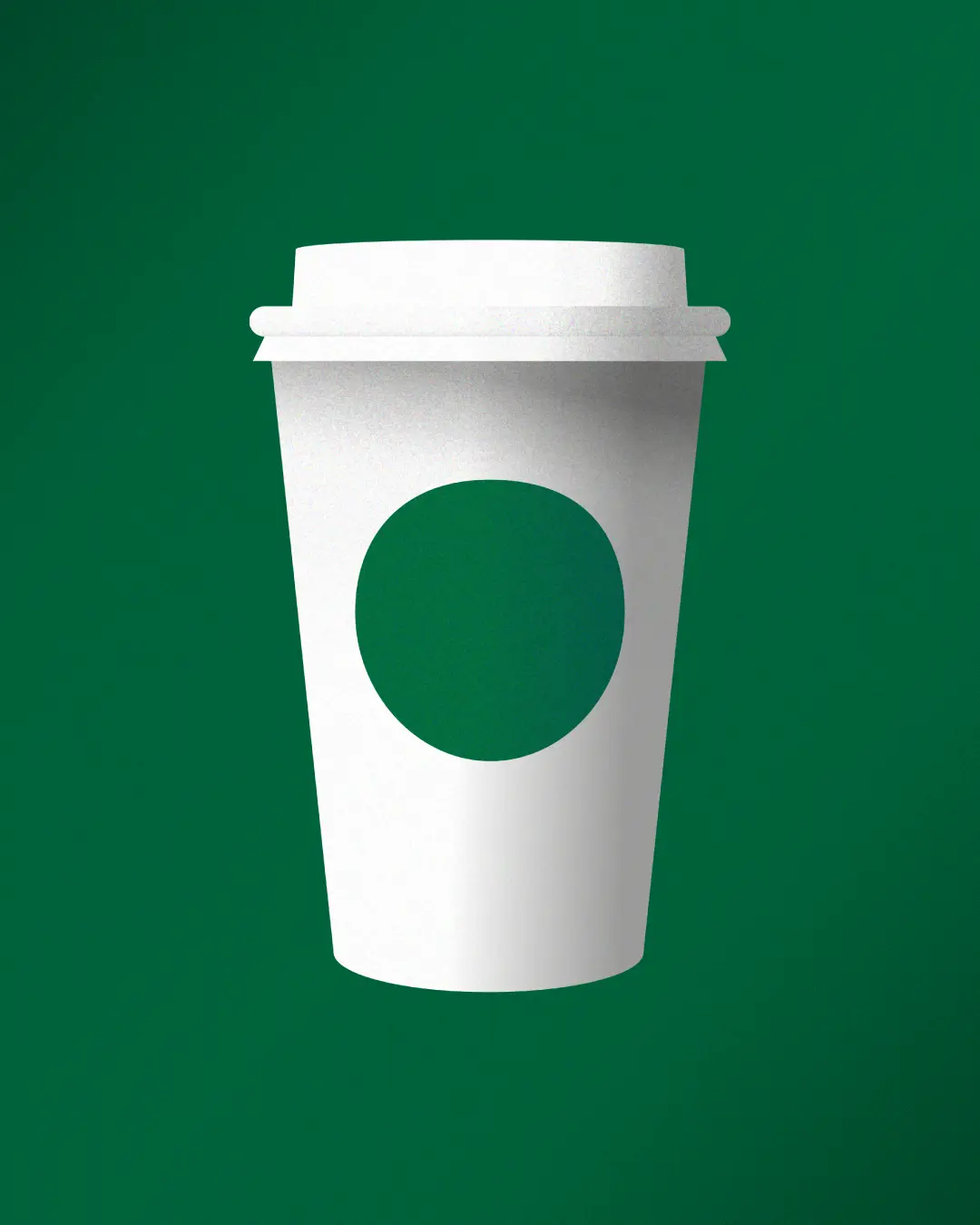
There are many ways to build a brand beyond the logo and visual identity. The Heinz jar, Nike’s ‘Just do it’, having your name written on a Starbucks cup… It doesn’t matter if it’s through packaging, tone, or customer service, in the end it’s all about differentiating ourselves from our competitive environment and carving out a niche in the consumer’s mind.

Why is privacy a key value for technology brands?

Big Data should be a win-win for users and brands.

Downloading an app, reading an article… Nowadays it is difficult to make profitable use of the Internet and the tools of the digital environment without having to accept an endless number of data transfer consents.

And although it is now part of the digital routine, as consumers, we are starting to ask ourselves what is done with our data and what we receive in exchange for giving it up.

Because while the benefits of technology are clear, its use should not mean giving up control over our data. We should be able to decide who tracks our searches, who knows our location, who has access to our images and, above all, whether this exchange of information is really worth it to us.

In a year in which the public and private spheres have blurred as never before, we are also more aware of the value of our privacy. And brands know it.

Apple, for example, has taken a step forward by making its iPhone 12 a champion of privacy management.

Netflix, for its part, continues to be a benchmark in terms of the use of data for the benefit of the user. Its management of big data and its algorithm for predicting which content to recommend based on our use of the platform manages to create bonds through a sense of intimacy between the user and the brand.

And that’s the key: using our information to improve our user experience and not just to sell us new products.

How important is naming in the creation of a brand?

The naming is the first impression of a brand.

Having a good naming has a great relevance in the brand creation process. Dedicating time and effort to it from the beginning can save us a lot of resources and problems in the future, both at a legal and positioning level.

But we cannot forget that a brand is much more than its name. After all, the naming is only a part of what we stand for. As we often tell our clients, names are an empty box that fills up with content over time.

Creating a new name is not an easy task, happy ideas are not enough. Nor is there such a thing as the perfect naming, the one that tells everything about the brand.

A good naming has to be appropriable and registrable. It must project the meaning of the brand in some way (directly or indirectly, literally or figuratively). It should represent what we are today and what we want to be tomorrow, and do so in a memorable way. It must go beyond fads and be mindful of possible negative connotations in our target markets.

For a long time, it has been said that naming should have a good sound, be short and easy to write, but it has been shown that these are not necessarily essential qualities for a good name (just look at cases such as Schweppes or Haägen-Dazs).
Because a good naming has to work more than just being liked. To build a network of associations and meanings that help us to build the desired positioning without limiting our competitive capacity in the future.

The objective is to create more than a name, a symbol. To give life to a unique and evocative naming, around our own semantic territories, which will make us an icon for our users and for the sector.

Why are brands agents of social change?

Brands have an impact on the collective imagination.

The influence that big brands exert on our way of thinking and behaving is undeniable.

For as long as consumer society has existed, brands, through their communication and actions, have contributed to changing perceptions, normalising realities and promoting social progress on numerous occasions. We talk about the incorporation of women into the labour market, gay marriage, the urgency of acting against climate change, etc.

Because brands bring to the fore not only products, but also values and lifestyles. Although it is consumers who push brands to embrace change, it is brands who raise their voices and bring their resources into play.

Brands are a true reflection of the societies in which they live and what they seek, at the end of the day, is for consumers to identify with them. This is a natural evolution, almost a virtuous circle, with brands becoming more and less courageous in launching actions and joining the conversation.

Its aspirational component motivates and empowers to change things. Even if it is for the sake of consumerism, brands ‘sell’ us that everything is within everyone’s reach, wherever you come from. And that has a great mobilising power.

They break taboos, they show open societies, they show our best face and, in short, they tell us that change is possible. In a way, they become an engine of social evolution.

Why is nostalgia in fashion among brands?

Nostalgia brings us back to the familiar with positive emotions and memories.

The vinyl format, Disney remakes, the reunion of Friends… It is clear that nostalgia is in fashion, also among brands. It is a trend that recovers codes and visual resources from more golden ages, but also values and lifestyles.

No matter what generation we are talking about, nostalgia works for all age groups. It awakens memories and past experiences that touch our emotional core. It’s not so much that the past is better than the present, but that when we look back, we tend to keep the positives.

This is why it is such a powerful communication tactic that appears and reappears cyclically among brands, especially in times of uncertainty. However, nostalgia for nostalgia’s sake is not always a good strategic decision.

Each brand must assess very carefully whether it is an interesting move or just a stroke of luck. In other words, whether it fits in the long term with our ambition for the future and with the values we want to transmit. And, if so, whether it is credible.

Because it is not the same for Burger King to go back to past codes to recover the values of naturalness and authenticity, or for a brand like Peugeot to bring back its logo from the 60s when it should focus on evoking the future and innovation to face the imminent technological transition in the automotive sector.

Nostalgia works, but it is not always constructive. We cannot manage brands from a short-sighted vision that swings in and out according to the prevailing trend of the moment, but we must build coherent brands that forge solid links with the consumer.

Why are your employees your best brand ambassadors?

The brand, more than a communication tool, is a behavioural framework.

Today, being more authentic means being more transparent and, in order to be so, our way of being and working must coincide with what we communicate to the outside world.

In many cases, perception begins to be built ‘through the roof’ by resorting to communication actions that are not based on the reality of the brand.

Powerful brands are built from the inside out. That is why working on employee engagement is the basis for building a strong brand, as well as being a very profitable move for the company.

Engaged employees have a high impact on the organisation, internally and externally. It is no longer just that they believe in the vision of the brand, but that it motivates and empowers them not only to do their job better and know how to transmit it, but also to inspire them to propose ideas and innovate within the brand.

And for this, we must start directly in the selection process, looking for candidates who are aligned with the brand from the outset. Taking into account their training and expertise but, above all, their values and motivations.

A good example of this is Patagonia, which only hires people who enjoy spending time outdoors, candidates whose interests reflect the company’s ethos. Once on board, employees have the option to spend part of their working day volunteering on environmental projects. The result is a strong and consistent brand, with an employee turnover rate of 4%.

Employees are a critical part of creating a work environment and culture that truly embodies the brand promise. Only when the brand values and purpose emanate from within the company will we be able to build a credible brand story.