Brands must adapt to the “new normal”, but is everything OK?

Everything is changing.

We have seen an avalanche of brands redefining their offering in a matter of days. Transforming their processes to stay relevant (and profitable). Expanding sales and service channels overnight. Moving from physical to digital in an express way. Reinventing the way you communicate your what, your how and your why. OK. But why do it in a mimetic way, why let ourselves be carried away by inertia and “me too”?

The new normality opens up a scenario of opportunities, of new models, new forms of expression… where the creativity with which we approach them will make the difference. A credibility that in no case should mean losing the focus of what we are as a brand.
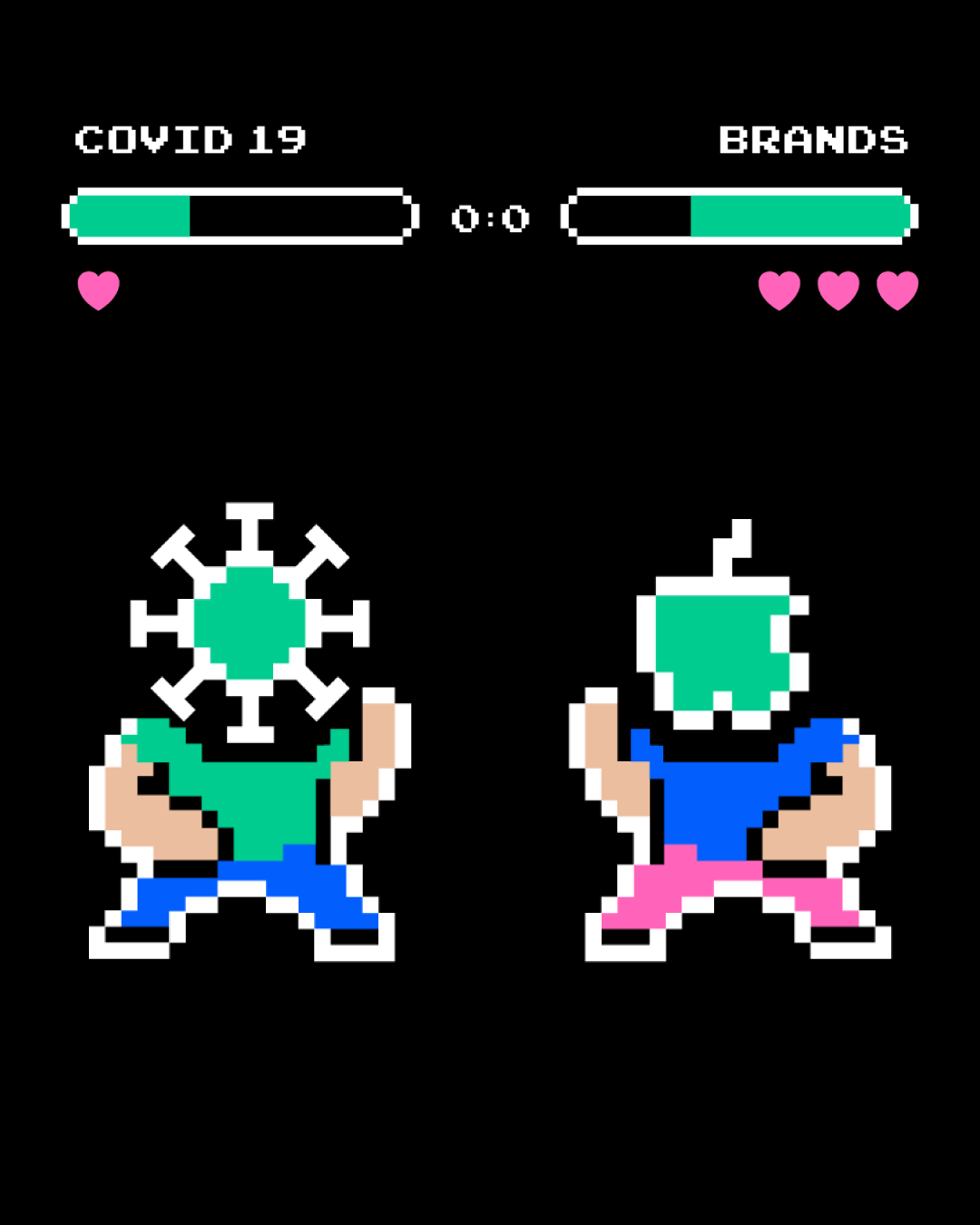
How do you maintain trust in your brand after a major crisis?

People first.

Brands, whether they like it or not, represent values, values inferred through their behaviour. They play a fundamental role in society, especially during and after crises such as the one we are experiencing. This is demonstrated by the data that Edelman published on trust in brands in times of COVID-19.

Brands need to get involved. Protect the well-being and safety of their employees. Be a safety net to fill the gaps in government response. Change even business as usual to help meet today’s challenges. Put people before profits.

Is it asking too much of brands? No. Because brands, today, are built to make a mark.

What are brands facing post-pandemic?

This is serious.

It’s not about separating the elements of your logo as an invitation to social distancing.

It’s about doing and helping to do.

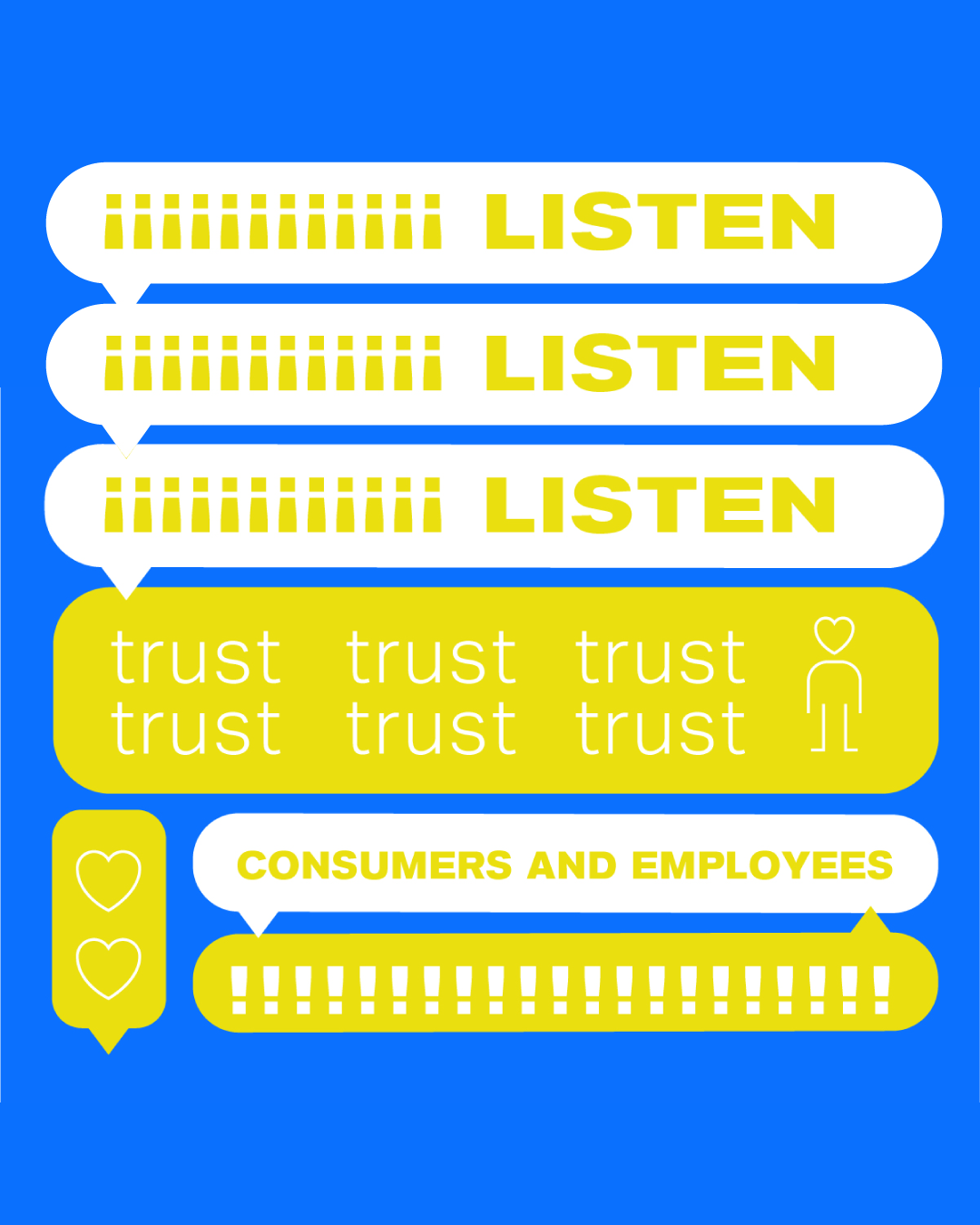
It’s about creating community and facilitating connections. It’s about providing information. A lot of information. And a lot of listening.

It’s about having unprecedented adaptability. It’s about presenting yourself as part of the solution in the areas surrounding your brand. That will be the key to success. It is more than ever about defining your purpose in this new scenario.

And to fulfill it.

Can we speak of “hyperrealism” as a trend that emerged during confinement?

“Hyperrealism” is here to stay.

During the confinement our sector has been forced to reinvent itself (like so many others) with very limited resources, in order to continue offering us its contents on a daily basis.

As a direct consequence, there has been a total rupture and destruction of the technical, visual and aesthetic standards to which we were accustomed until now and the irruption of a sort of domestic “hyperrealism” as the prevailing reality: we have all virtually entered everyone’s homes, seen badly lit presenters and heard children playing in the background and, far from constituting a loss in the quality of the content, this reality has brought us closer to each other and has naturalised communication.

So let’s take this “hyperrealism”, this new reality that has arisen in a forced way, as an opportunity for the creative sector and brands to exercise a closer, more natural and honest communication in a post-covid context.

Consumer habits – will the change be permanent?

It is difficult to predict with certainty.

We know that people feel insecure and worried. Optimism is in short supply. And consumers need brands to take it seriously. Spending is down in virtually every category. And local commerce is gaining strength against large corporations – an opportunity for the “little guys” who are able to leverage their size to react nimbly. On the other hand, the “virtualization” of social and commercial life, to the detriment of physical experiences, will raise ecommerce expectations to levels never seen before.

These are just a few glimpses of what will define this new era, but many questions remain open.And brands should not wait for a completely clear picture of the future to emerge before asking themselves, “Is my brand ready to meet these new expectations?”