Today it is the visual, verbal and experiential narrative that defines brand identity.
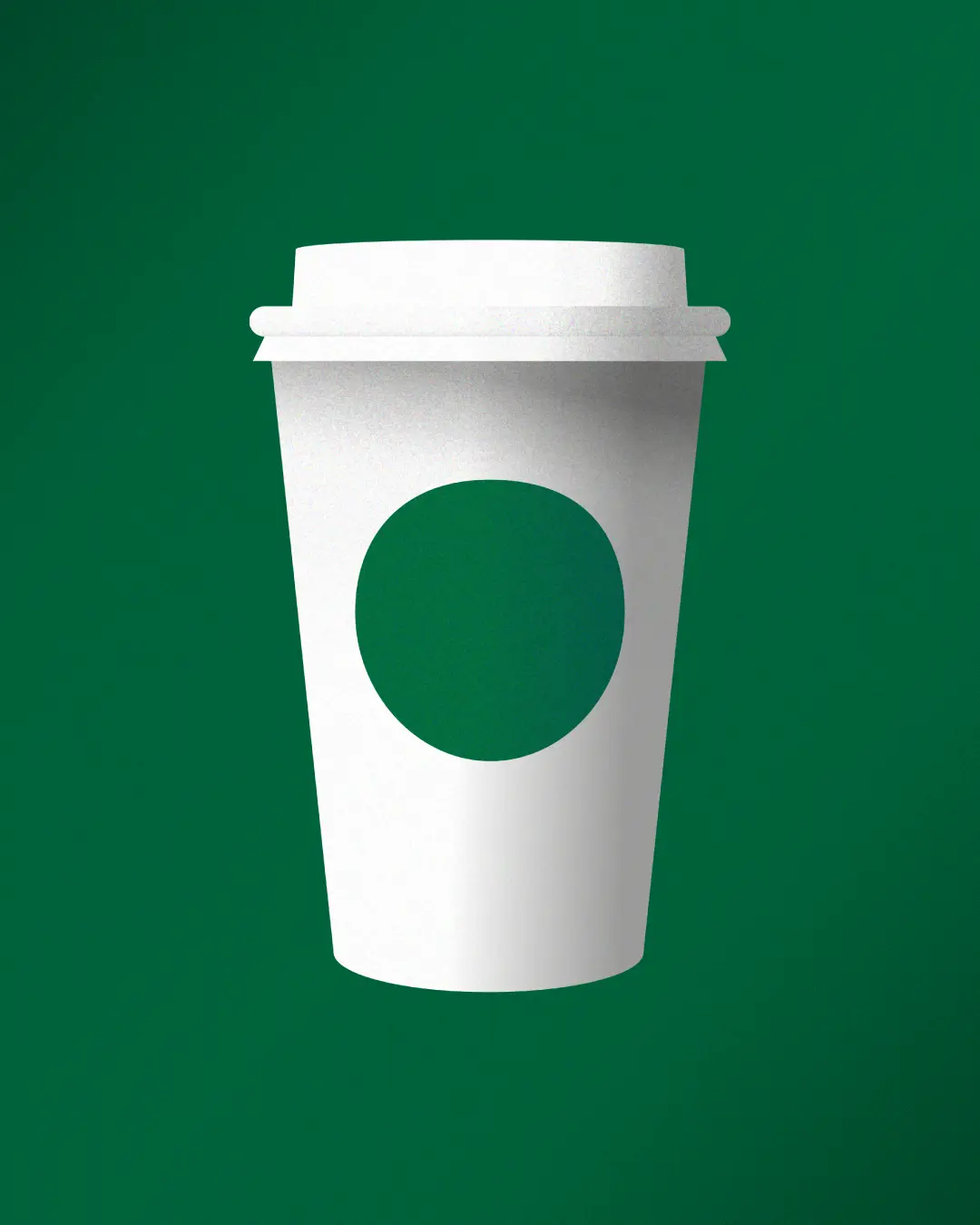
Apple, McDonalds or Starbucks can do without their logo, even their name, in a graphic piece without losing brand recognition. However, for a new brand, both the naming and the logo are key for the consumer to identify it. As almost always, it all depends on the reality of each brand.
The evolution of Mastercard’s image is an example of this. In its latest rebranding, the brand decided to take its visual identity to the minimum expression, with a logo reduced to two intertwined circles.
MUJI, the minimalist brand par excellence, made this its greatest asset. It was born as a pure white brand, with basic but quality products and no visible logo. A brand so democratic that it belonged to no one and belonged to everyone.
On the other side of the spectrum we find Supreme, an exaggeratedly logocentric brand with mainstream design products but exclusive thanks, among other things, to its constant collaborations and a low-stock strategy.
There are many ways to build a brand beyond the logo and visual identity. The Heinz jar, Nike’s ‘Just do it’, having your name written on a Starbucks cup… It doesn’t matter if it’s through packaging, tone, or customer service, in the end it’s all about differentiating ourselves from our competitive environment and carving out a niche in the consumer’s mind.